Priority populations are difficult to reach
Standard recruitment channels may not reach the people a study most needs to engage, especially when trust, language, geography, culture, or care-navigation barriers are present.
 Discuss Your Access Challenge
Clinical Trial Participant Access
EquiBridge Health Solutions identifies and reduces clinical-trial access risk by strengthening the conditions that determine whether priority populations can move toward clinical research.
EHS operates upstream of screening, informed consent, enrollment, and participant care, where trust, language, readiness, logistics, referral conditions, and local context often determine whether recruitment can perform.
Sponsors | CROs | Research Sites | Academic and Research Institutions
The Business Problem
By the time recruitment slows, the access problem may already be active. EHS identifies and addresses those access conditions earlier.
Standard recruitment channels may not reach the people a study most needs to engage, especially when trust, language, geography, culture, or care-navigation barriers are present.
Interested individuals may still need plain-language information, practical barrier navigation, scheduling support, language access, or help understanding the next step.
Sponsors, CROs, and sites may know recruitment is at risk without knowing what local conditions, barriers, or readiness issues are weakening the pathway.
What EHS Delivers
EHS turns access challenges into operating work that clarifies risk, readiness, pathway conditions, handoff expectations, and field intelligence.
Identifies where access, readiness, referral, trust, language, or logistical barriers may affect recruitment readiness.
Defines priority populations, access conditions, community considerations, assumptions, and practical activation steps.
Clarifies what participants may need before moving toward a research site.
Defines how EHS can support barrier awareness, routing, documentation, and follow-through within approved boundaries.
Clarifies how people move from community access points toward the research team's recruitment infrastructure.
Defines roles, touchpoints, information flow, and boundaries before site-based screening begins.
Converts field signals, recurring barriers, readiness patterns, and local context into recommended next decisions.
Signature Operating Model
Access moves forward toward research. Insight moves back to the client, giving sponsors, CROs, sites, and academic teams a clearer view of the conditions that shape readiness.
Population presence does not automatically mean population access. EHS helps determine whether priority populations have a workable path from community context to research opportunity.
Clinical Trial Access Solutions
Each engagement is scoped around a defined access problem, practical deliverables, and clear role boundaries for the sponsor, CRO, site, or academic research team.
Best for teams that need to identify where access may break down before recruitment timelines and study execution absorb the impact.
Population availability does not guarantee access feasibility. A priority population may be present within a market and still lack a practical pathway into a study.
EHS helps surface population-access conditions that can inform protocol feasibility, site planning, and recruitment execution.
Best for translating population priorities into practical access execution.
More outreach cannot correct a pathway that is poorly aligned with participant realities, site conditions, or study assumptions.
Best for studies where potential participants need clearer readiness before site handoff.
Best for teams that need cleaner movement into research-site infrastructure.
Better-prepared handoffs reduce avoidable friction for participants and the research sites receiving them.
Turn field execution into actionable intelligence that improves access decisions, exposes weak assumptions, and guides course correction.
Who We Serve
EHS addresses upstream access barriers, trust gaps, language needs, local context, and participant-readiness conditions that can increase recruitment risk.
Population access and representation priorities are defined, but practical implementation is underdeveloped.
EHS intervention: Translate priorities into pathway design, readiness planning, barrier anticipation, and field-informed support.
Discuss Sponsor Access StrategyRecruitment risk is visible, but the causes sit outside site operations.
EHS intervention: Organize the upstream access layer through readiness, barriers, local context, and structured handoff.
Review CRO Access SupportThe existing patient database is not enough and site teams need better-prepared pathways.
EHS intervention: Strengthen trusted access, readiness planning, barrier awareness, and handoff before screening begins.
Scope Site Access SupportResearch priorities need stronger community context, access insight, or implementation learning.
EHS intervention: Translate lived experience, access barriers, and readiness signals into practical planning insight.
Discuss Academic Research AccessField Evidence
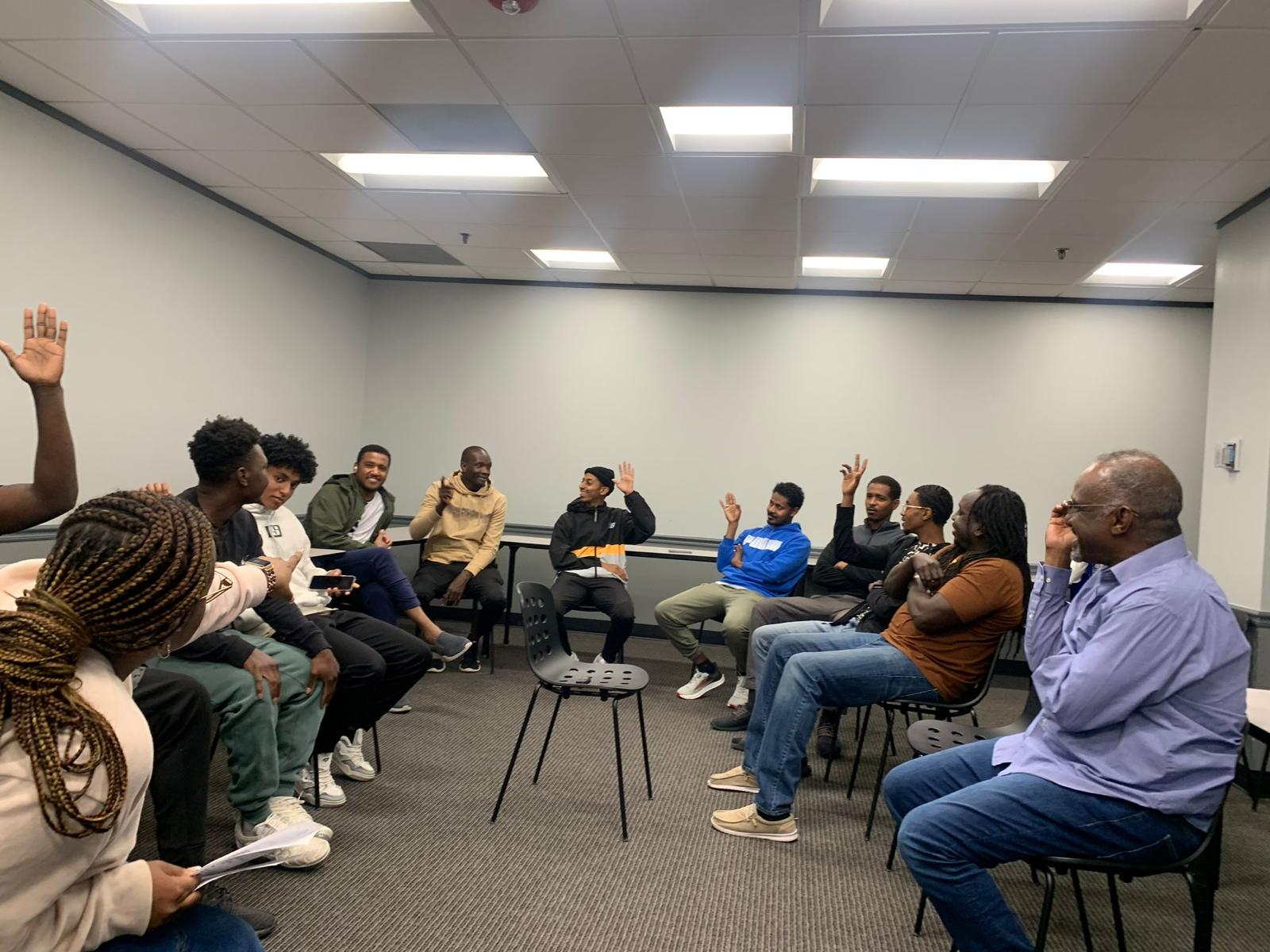
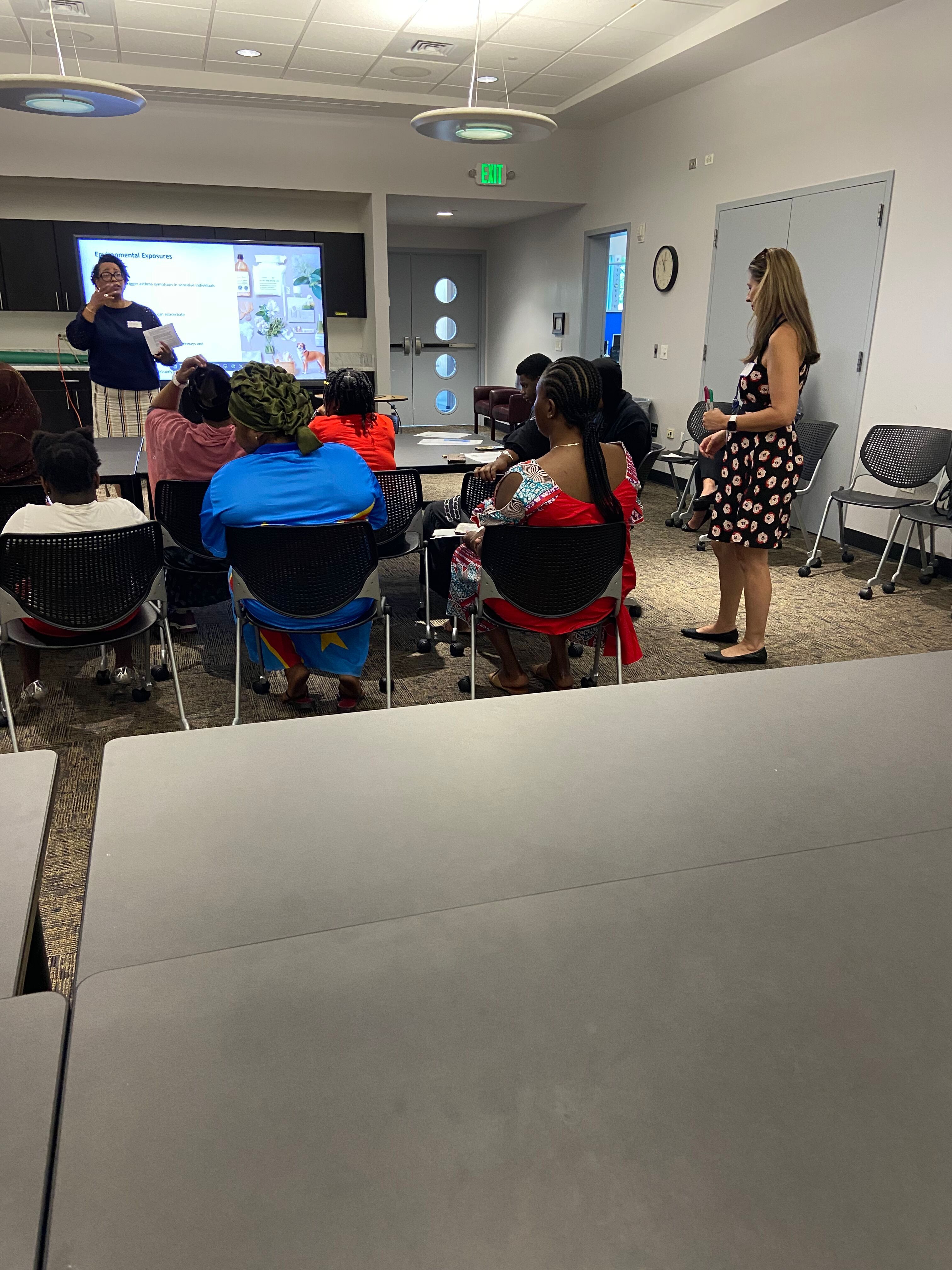
EHS uses structured listening, plain-language education, barrier mapping, and field learning to identify what must be true before a pathway can become research-ready.

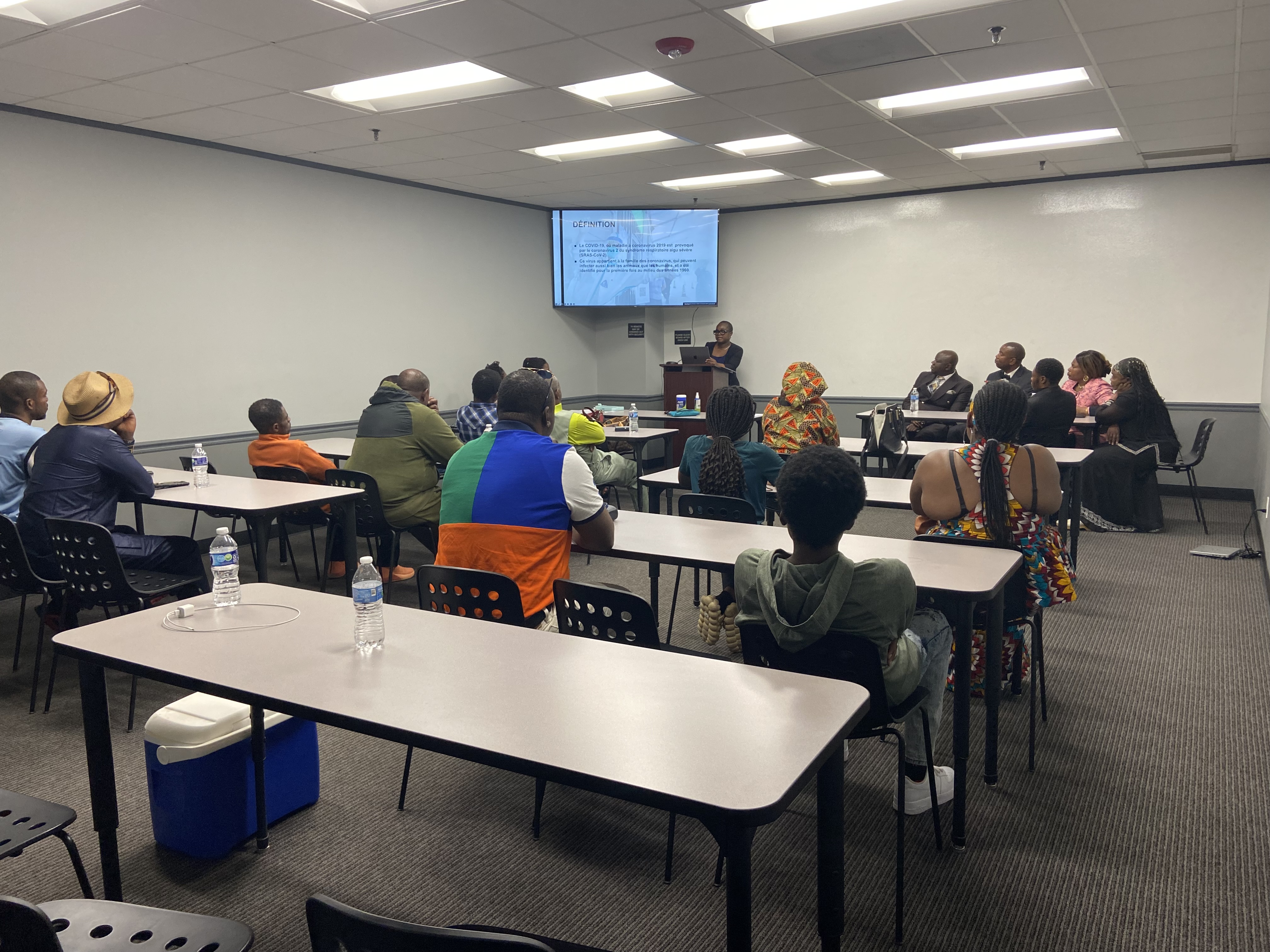
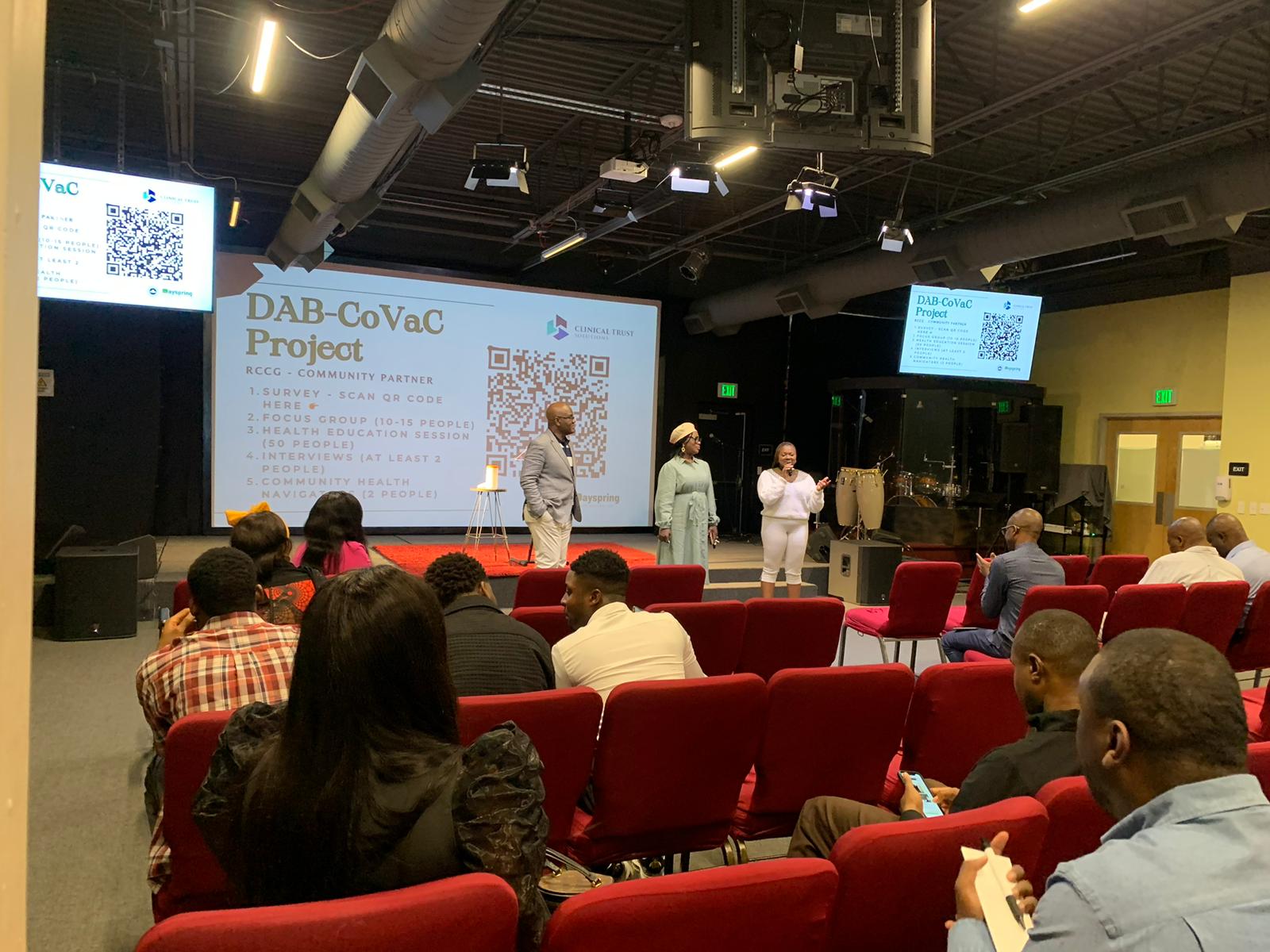
Images reflect community engagement, education, listening, or access-planning activities. They do not represent clinical trial screening, informed consent, enrollment, medical advice, clinical care, or participation in a specific research study.
Insights & Real-World Execution
EHS converts real-world implementation experience into practical intelligence for research teams. The objective is not more outreach activity. It is better-informed access execution, so clinical research teams know what is working, where friction remains, and what needs to change.
These figures reflect community-engaged implementation and learning activity. They do not represent clinical trial screening, recruitment, consent, enrollment, or participant-care outcomes.
Access question: What priorities matter to African immigrant families and community connectors?
Client value: Clarified community priorities for future navigation resources and access planning.
Access question: How can community-academic relationships support awareness and preparedness?
Client value: Established practical learning for continued community-engaged research planning.
Access question: Which access pain points and operating options need attention before execution?
Client value: Produced scoped operating options and decision support.
About EHS
EquiBridge Health Solutions operates in the gap before clinical recruitment takes over. EHS identifies and addresses the access conditions that shape whether people can move toward a study in the first place.
EquiBridge Health Solutions began with a broader focus on trust, community engagement, and clinical research access. Today, EHS is an operating and execution partner for industry sectors and clinical research teams—identifying access risk, strengthening readiness, structuring handoff, and turning field learning into client intelligence.
The EHS mark reflects three groups that must work together for clinical research to create shared value: basic science and discovery, the industry and health systems that translate innovation, and the people and communities who should benefit from and help shape the work.
Together, the shapes form a complete box: a symbol of collaboration, equity, and practical connection. The mark keeps the original vision and gives it a clearer operating purpose.
Clear role boundaries, respectful community relationships, and disciplined claims.
Access barriers, readiness needs, language considerations, and overlooked conditions are surfaced.
Effort stays focused on priority problems, practical outputs, structured handoff, and usable evidence.

EHS connects community context, participant readiness, barrier navigation, and structured handoff so priority populations can move toward research through clearer access pathways.
EHS works toward a clinical research environment where access is planned, readiness is understood, and community realities inform better decisions before recruitment pressure reaches the site.
Build pathways through credible community, patient, caregiver, and partner relationships.
Connect access work to readiness, handoff clarity, field learning, and client decision support.
Create clearer, more trusted ways for priority populations to consider research opportunities.
Define roles, respect boundaries, and document evidence that supports the next decision.
Leadership
Dr. Moussata brings experience across pharmaceutical research and development, clinical research, healthcare management, community-engaged research, and population access. His work focuses on converting lived experience and access barriers into structured intelligence research teams can use.
Dr. Sendze brings senior leadership experience in technology, organizational development, digital transformation, and systems leadership. Her perspective strengthens EHS operating discipline, data strategy, program coordination, and scalable delivery.
Compliance As Trust
Procurement Ready
EHS engagements can be scoped around practical deliverables such as an Access Risk Brief, Population Access Plan, Barrier Navigation Plan, Structured Handoff Framework, Field Intelligence Memo, or Implementation Review.
Contact EHS
Request an access-risk discussion. Share the challenge, the context, and the next decision your team needs to make.
Call Us: 720-973-3022
Email: info@equibridgehealth.com